

When Motor Planning Looks Like Avoidance
Hesitation, escape, dependence, or refusal may sometimes reflect the effort required to plan and carry out an unfamiliar action. Motor planning is one possible contributor—not a complete explanation.

The Same Behavior Can Have Different Reasons
Refusal, avoidance, rigidity, or inattention can look similar while serving very different purposes. A useful assessment considers consequences, communication, task demands, motor planning, sensory patterns, development, and possible physical contributors.

Movement Break or Movement-Based Learning? They Are Not the Same
A movement break changes the conditions around a task. Movement-based learning makes movement part of the task itself. Knowing the difference helps adults choose a support that matches the goal.

When “Pay Attention” Isn’t Enough: Looking at Body Organization First
A child who appears inattentive may be working hard to manage posture, movement, sensory information, language, and the steps of the task. Looking at body organization can help us ask better questions about participation.
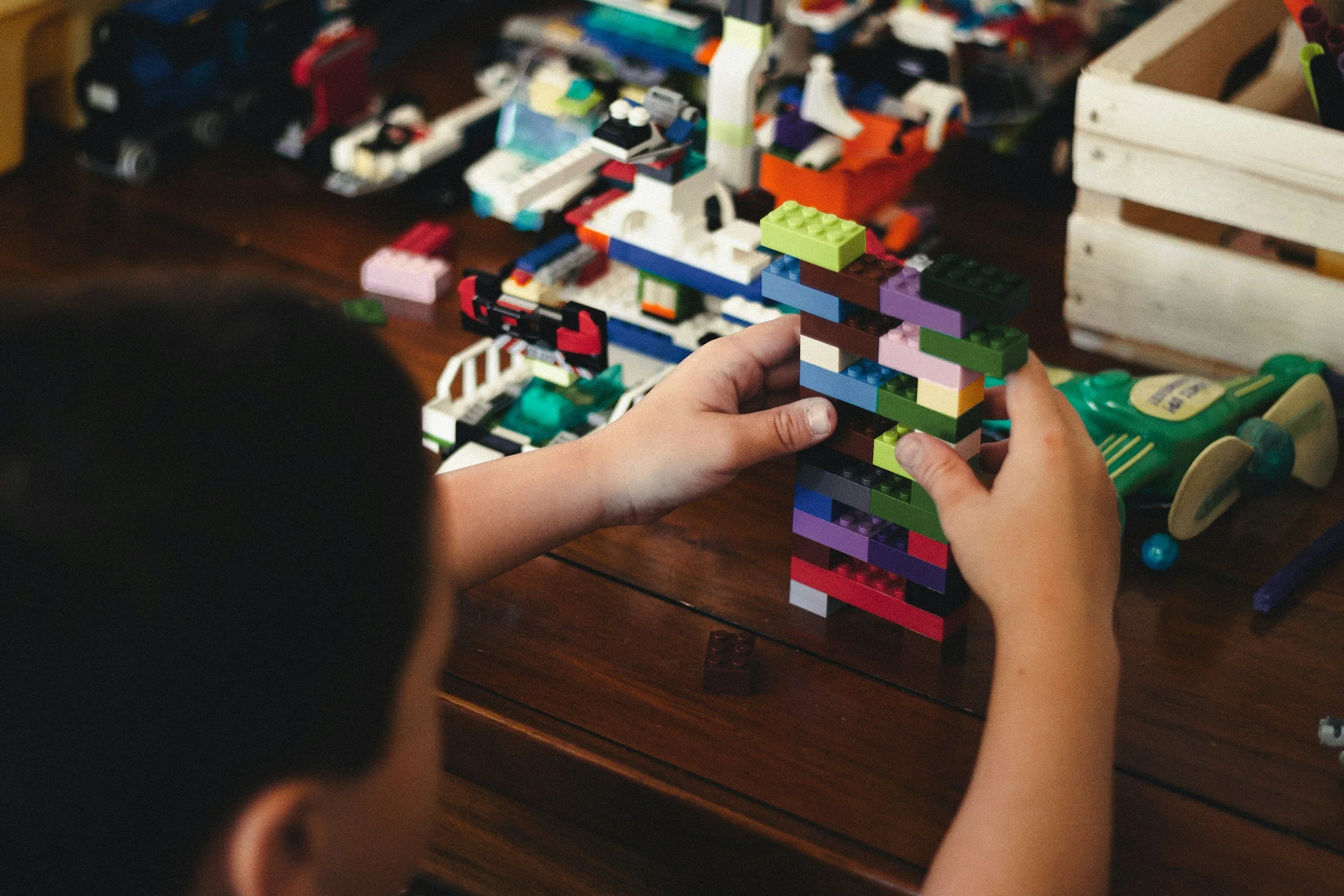
Visual–Spatial Play Ideas for Every Stage
Visual–spatial skills don’t stop at early milestones — they keep growing at every stage. Here are simple play ideas to strengthen the six Visual/Spatial Portals from toddlers to teens.
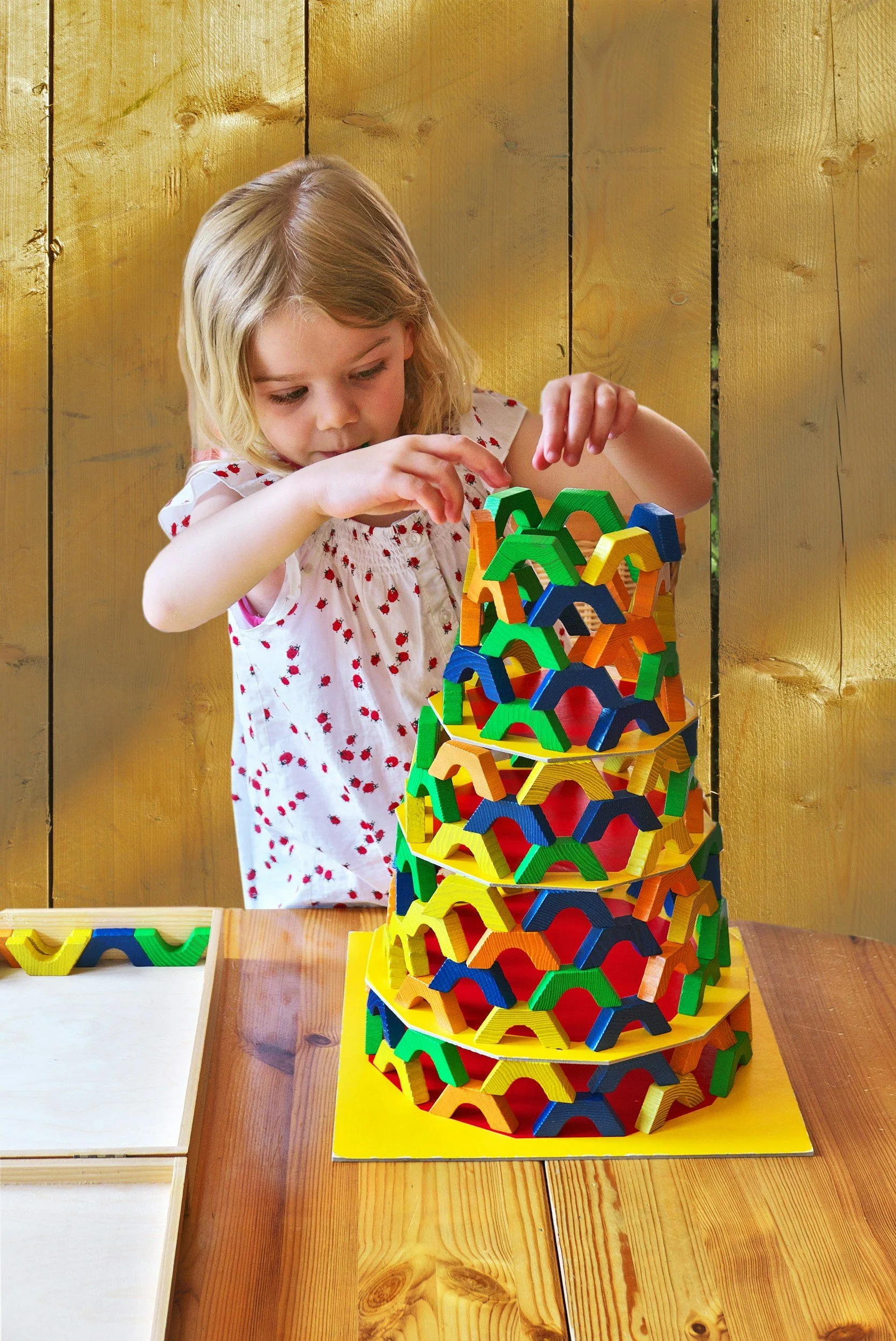
Visual Portals: How Visual–Spatial Skills Shape Learning and Development
Visual–spatial skills are the hidden building blocks of learning and play. Discover the six “portals” that shape how children think, move, and connect.
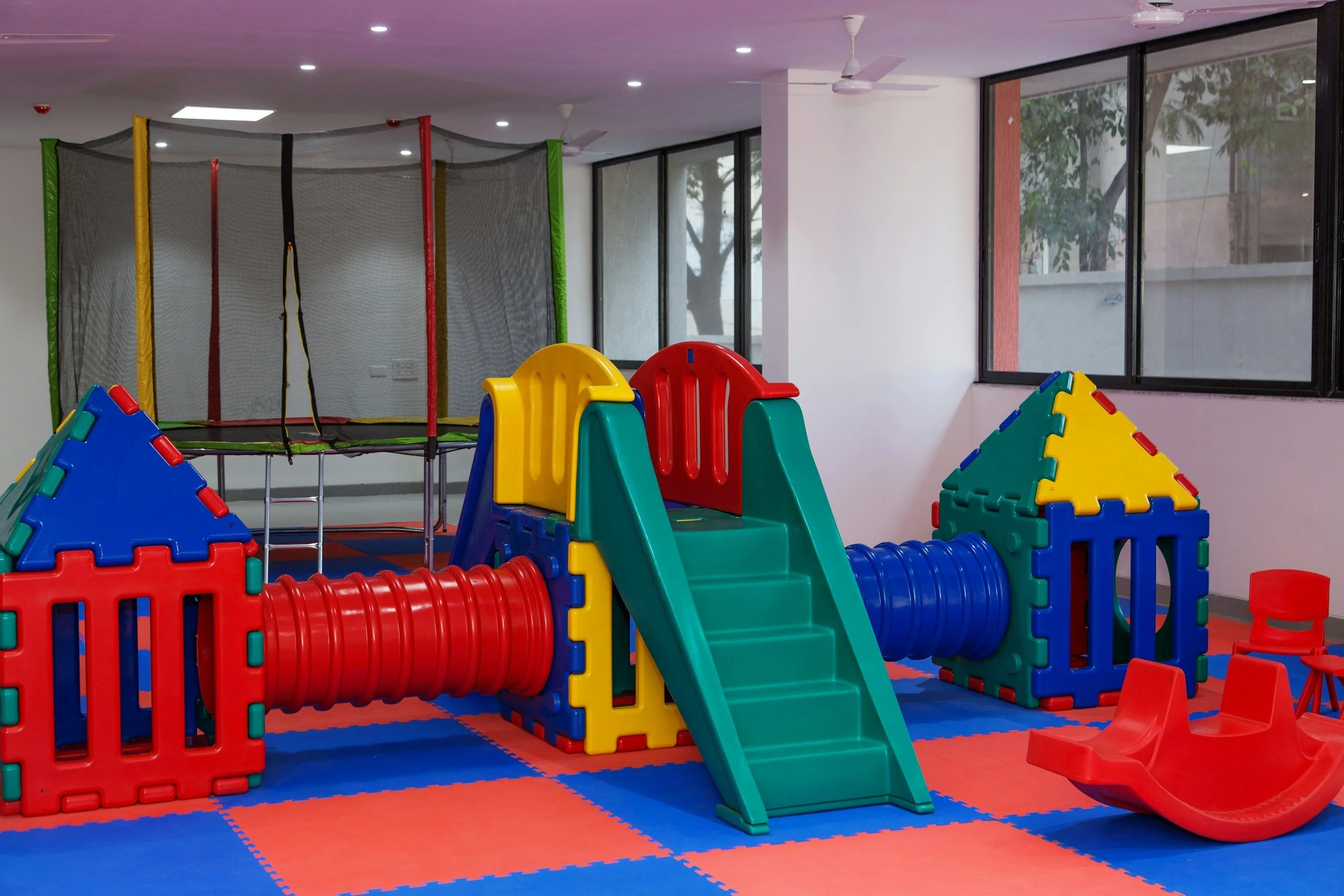
Obstacle Courses: Building Focus, Balance, and Fun
Obstacle courses are more than fun. They build motor planning, balance, and focus. Learn how to set one up at home with everyday items.