
Movement Break or Movement-Based Learning? They Are Not the Same
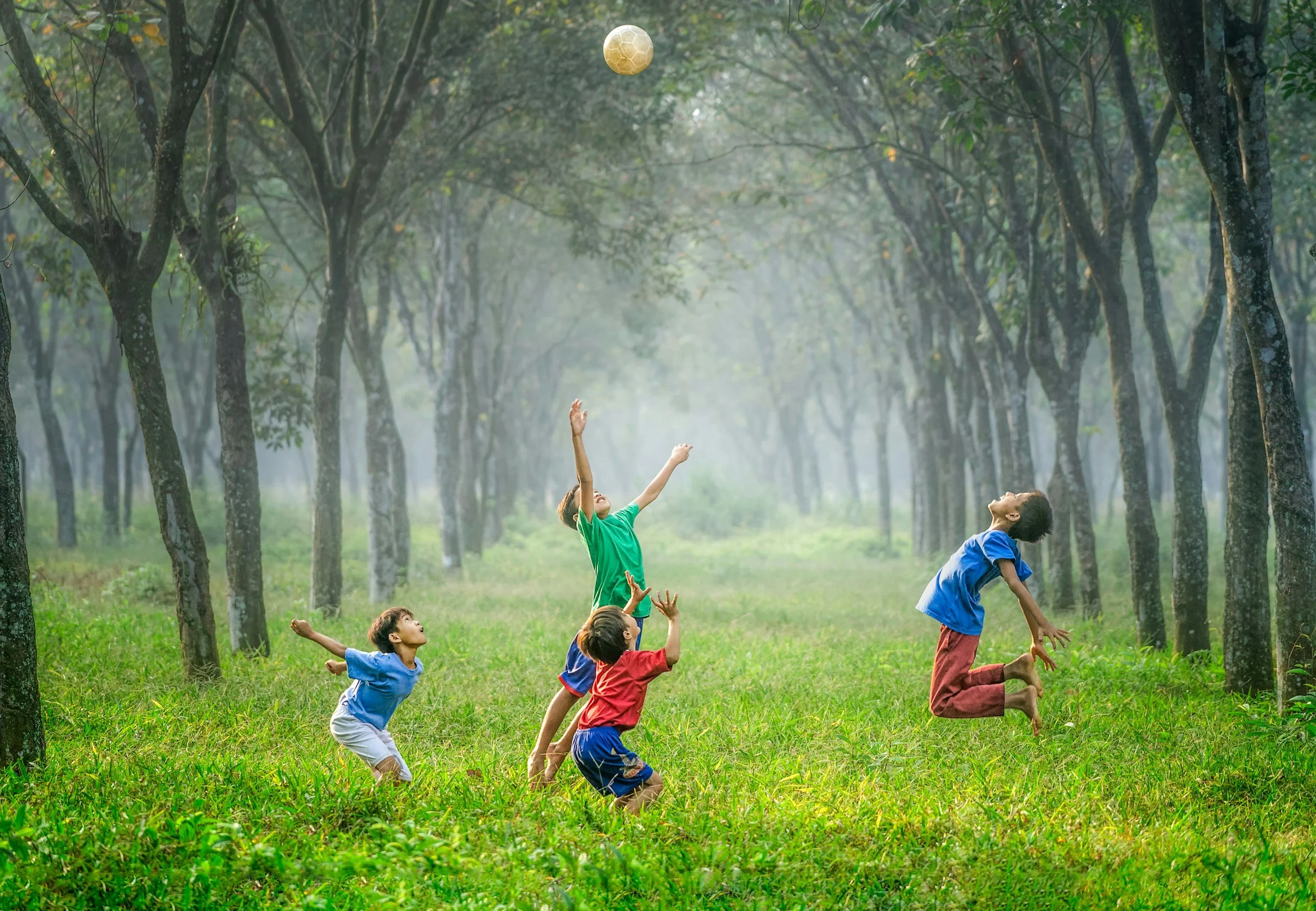
“Let’s add movement” can mean very different things.
A child might take a short movement break between table activities. Another child might practice a sequence by stepping to visual targets, carrying objects in order, or coordinating a response with a partner. Both involve movement, but they are not doing the same job.
A movement break changes the conditions around the learning task. Movement-based learning makes movement part of the task itself.
What is a movement break?
A movement break temporarily pauses or reduces the primary demand. Its purpose may be to interrupt prolonged sitting, change sensory input, support alertness, release physical tension, or make it easier to return to the next activity.
Examples include walking to get water, pushing a weighted cart when appropriate, stretching, climbing, dancing to part of a song, or completing a brief obstacle course. The activity does not have to teach the academic or communication goal. Its usefulness depends on what changes afterward.
A break that helps one child organize may make another child more scattered or make the return to the original activity harder. “Movement” is not one uniform input, and more intensity is not automatically better.
What is movement-based learning?
In movement-based learning, the movement carries part of the learning demand. The child may have to remember a route, match a symbol to an action, coordinate timing with another person, shift rules, inhibit one response, or detect and correct an error while moving.
For example, jumping to colored spots can be simple physical activity. It becomes movement-based learning when the child must listen for a changing rule, plan which spot comes next, communicate a choice, or adapt after noticing a mismatch.
The goal is not to make a worksheet more entertaining. It is to create an activity in which movement, attention, communication, sequencing, and problem-solving can be practiced together at an appropriate level.
Movement does not guarantee learning
Research on classroom activity breaks generally finds that they increase physical activity and may improve time on task. Findings for broad cognitive skills and academic achievement are more mixed. Research on physically active lessons is promising, but study quality and the way outcomes are measured vary.
That distinction matters. A child can enjoy an active game and improve at that game without the skill automatically carrying into handwriting, classroom attention, conversation, or daily routines. Carryover has to be planned and observed.
Choose the support by identifying the immediate goal
A few questions can clarify the purpose:
Does the child need a pause from the current demand, or practice within the demand?
Are we trying to change the child’s immediate state or build a specific skill?
Will the movement make the goal clearer, or add too much coordination and language at once?
How will we know whether it helped?
If the goal is to make returning to an activity more manageable, a brief movement break may fit. If the goal is to practice sequencing, timing, flexible attention, communication, or adaptation, a movement-based activity may be more appropriate.
Watch the return, not only the movement
The most informative moment may come after the break or during the next step of the integrated activity. Does the child reorient more easily? Need fewer prompts? Hold the sequence longer? Communicate more clearly? Recover from an error? Or does the child become more fatigued, distressed, or disconnected from the goal?
Adjust one feature at a time—duration, intensity, predictability, complexity, or the transition back—so the response is easier to interpret.
Neither option is automatically superior
A movement break is not a lesser intervention, and movement-based learning is not appropriate for every goal. Sometimes the best support is a quiet pause, a change in seating, simpler language, or more processing time. Sometimes purposeful movement opens access that was not available in a stationary task.
The useful question is not “Did we use movement?” It is “What did this movement allow the child to notice, organize, communicate, or practice?”
Would you like help deciding how movement could support your child’s participation? Book a free 15-minute consultation (https://activateintegrate.com/appointments) or contact Activate. Integrate. (https://activateintegrate.com/contact) to discuss whether services are a good fit.
Research referenced
See the systematic review comparing classroom movement breaks and physically active learning (https://pubmed.ncbi.nlm.nih.gov/29629186/) and the meta-analysis of physically active lessons (https://pubmed.ncbi.nlm.nih.gov/31619381/). Both support careful interpretation rather than broad claims that movement automatically improves cognition.