

Regulation Before Participation: What Readiness Actually Looks Like
Readiness is not the same as being quiet or perfectly calm. A child may be ready when they are sufficiently organized, connected, and available for the particular activity in front of them.
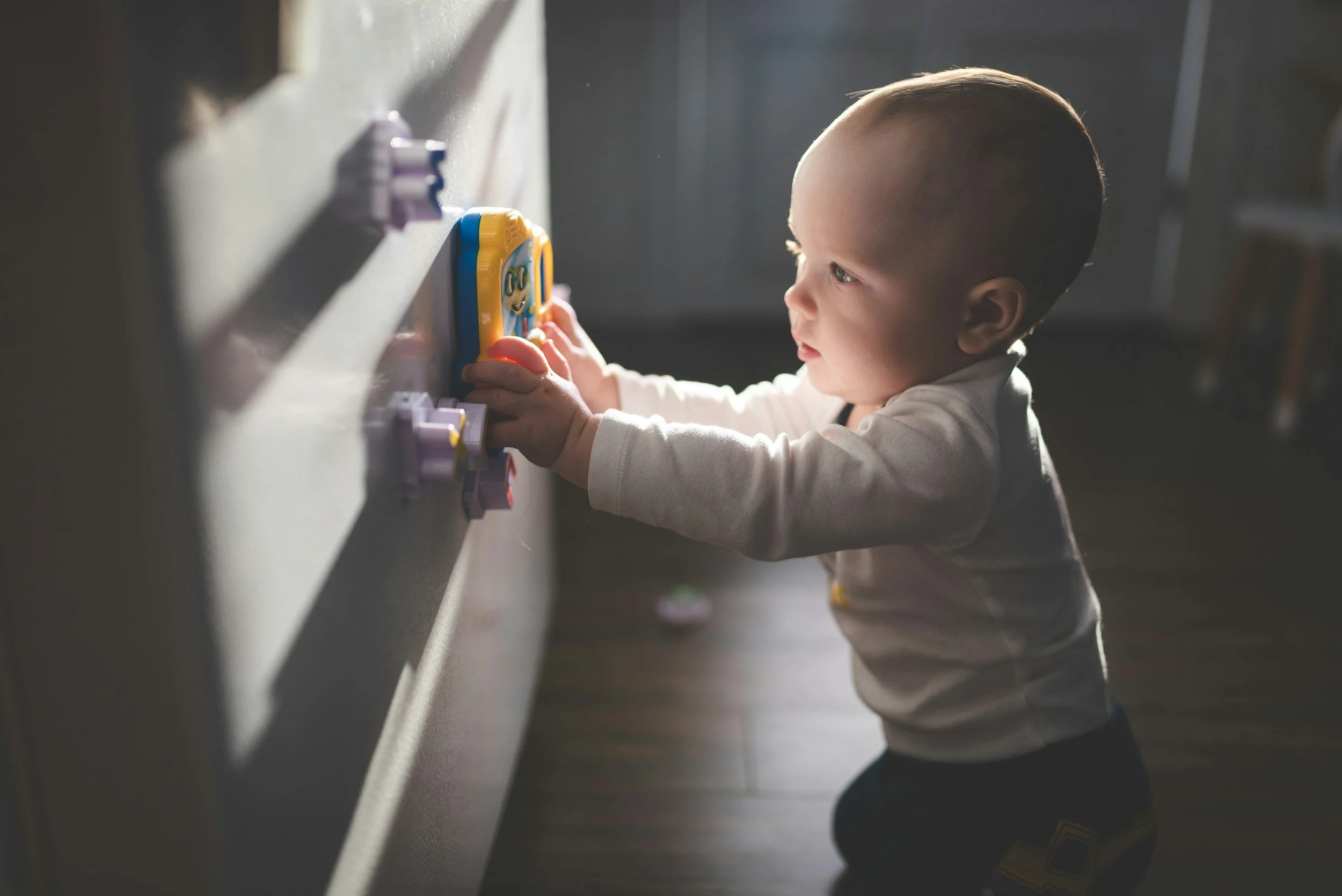
When “Pay Attention” Isn’t Enough: Looking at Body Organization First
A child who appears inattentive may be working hard to manage posture, movement, sensory information, language, and the steps of the task. Looking at body organization can help us ask better questions about participation.

Working Memory: Why Kids Forget Steps (and What Helps)
Working memory is the brain’s “scratchpad.” Learn why kids forget steps and what really helps — with practical strategies and links to supporting activities.

Everyday Sensory Breaks That Actually Work
Not all sensory breaks help. Learn what makes a break effective, with practical examples for movement, calming, pressure, and alerting input.
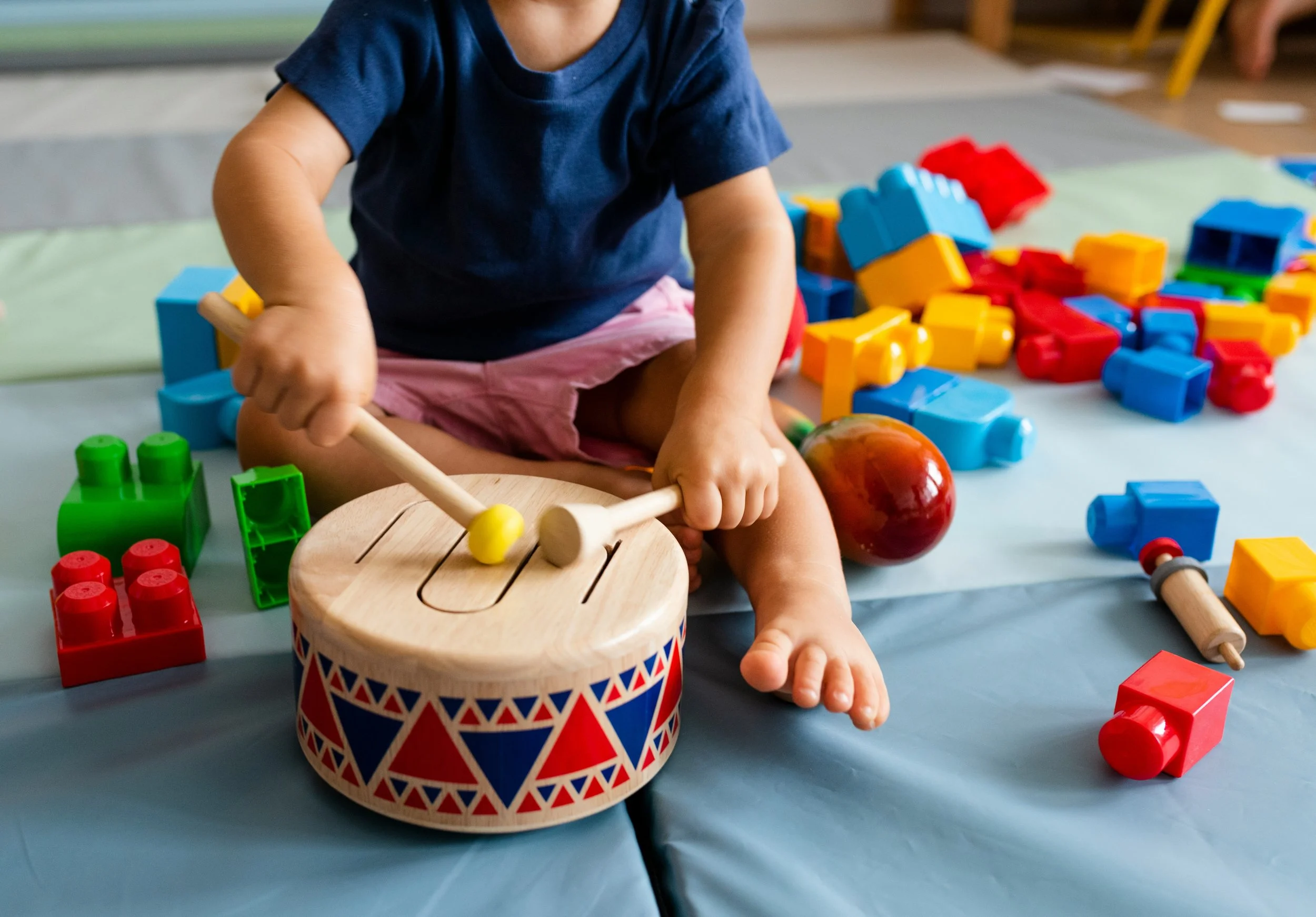
Timing and Attention: Why Rhythm Matters for Focus
Attention isn’t just willpower — it’s timing. Learn why rhythm builds focus and regulation, and where to find fun rhythm games to try at home.
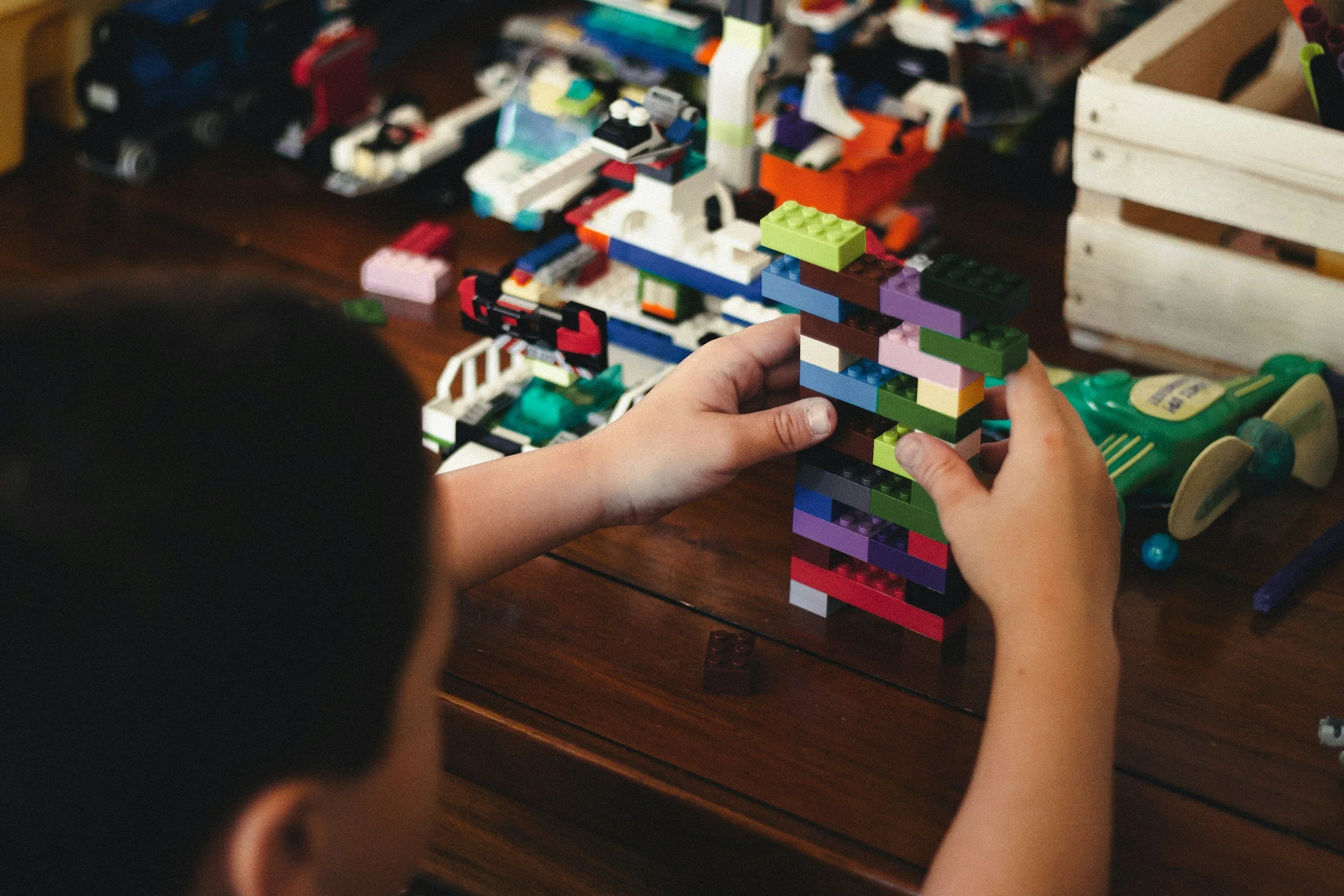
Visual–Spatial Play Ideas for Every Stage
Visual–spatial skills don’t stop at early milestones — they keep growing at every stage. Here are simple play ideas to strengthen the six Visual/Spatial Portals from toddlers to teens.
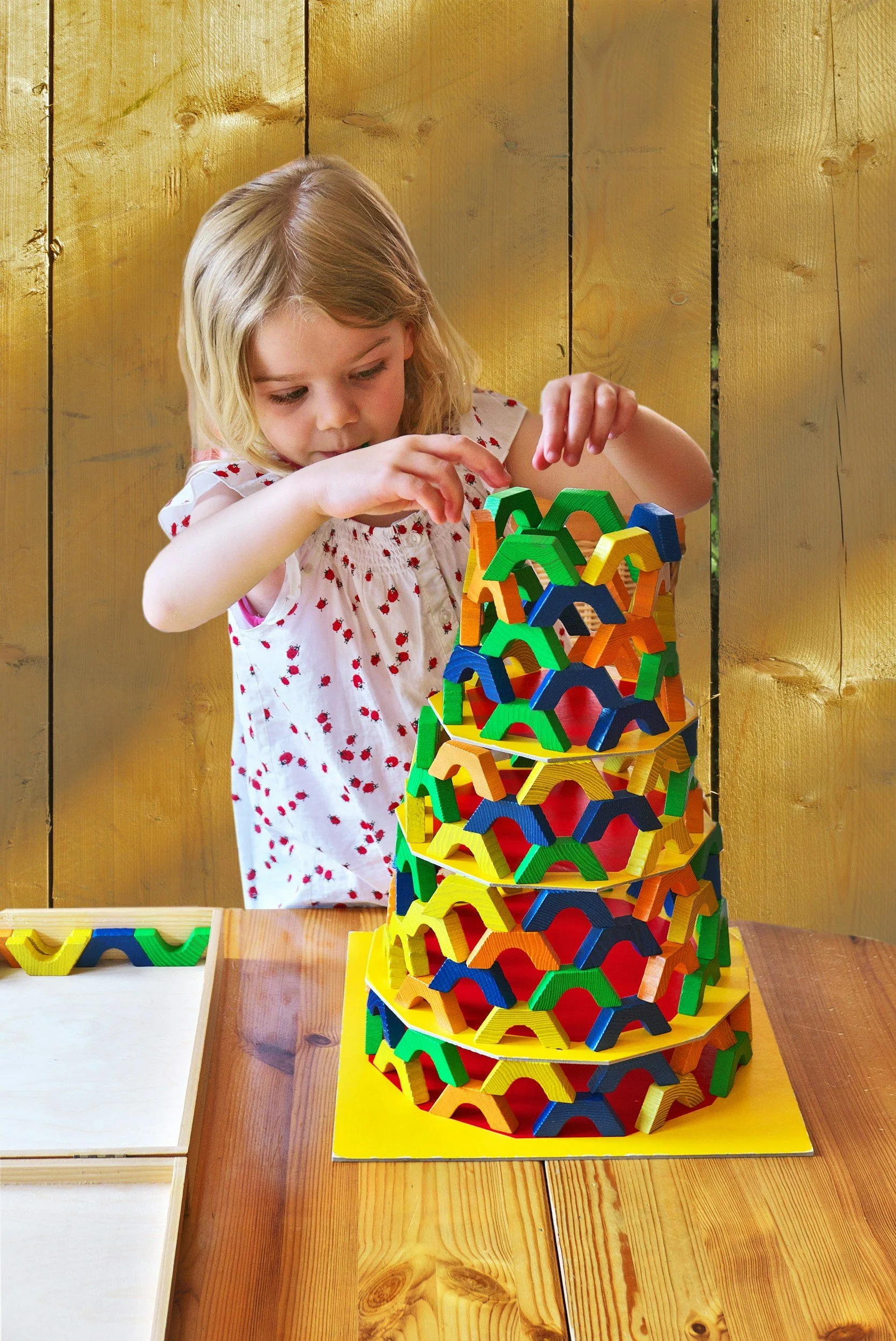
Visual Portals: How Visual–Spatial Skills Shape Learning and Development
Visual–spatial skills are the hidden building blocks of learning and play. Discover the six “portals” that shape how children think, move, and connect.

Why Multisensory Learning Matters in Early Childhood
Children learn best when they use more than one sense. Discover how movement, rhythm, and multisensory play build focus and confidence.

Interactive Metronome Explained (Without the Jargon)
Interactive Metronome uses rhythm and feedback to strengthen timing, attention, and regulation. Learn what it is, how it works, and why it helps children.
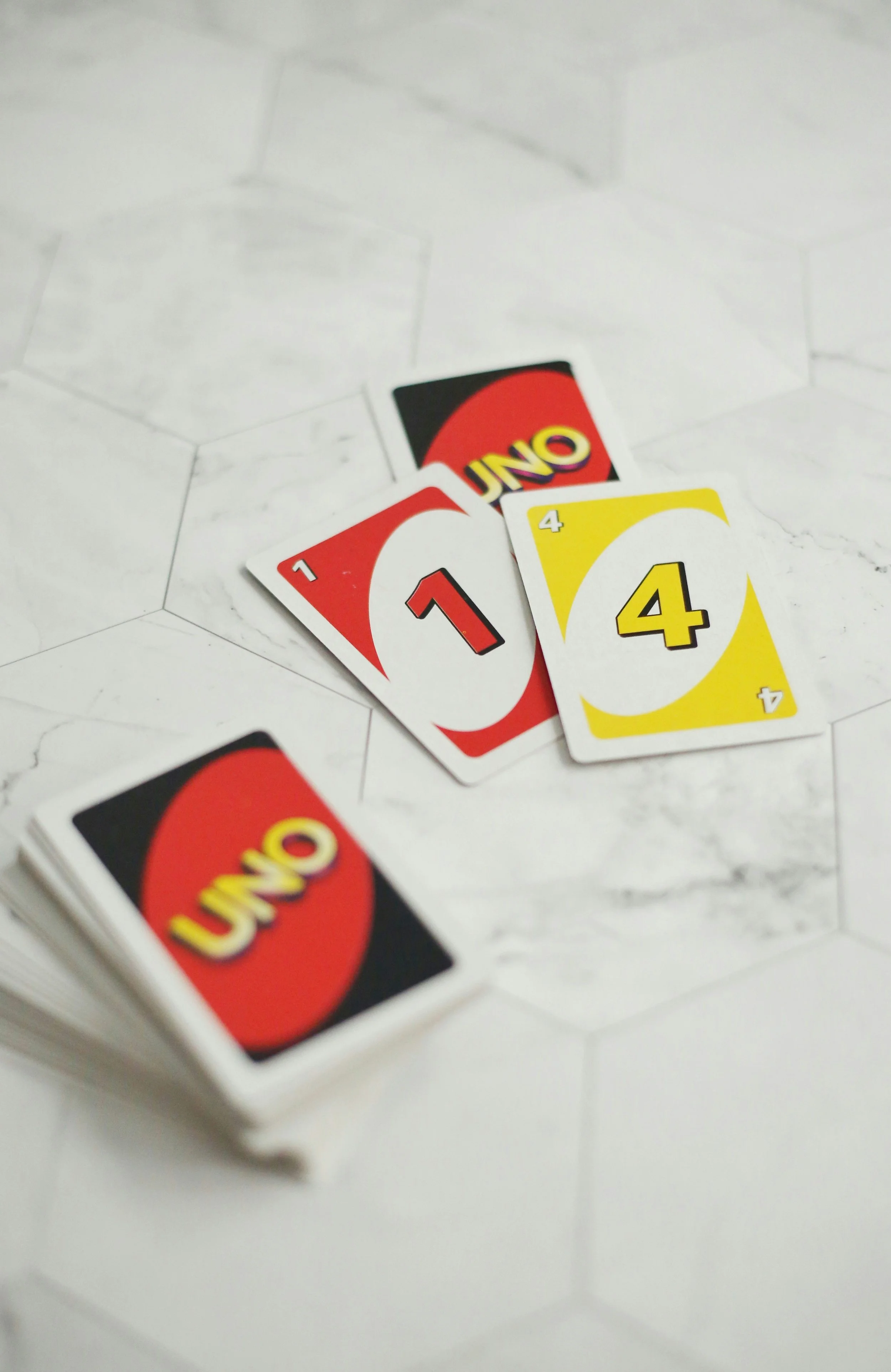
Turn-Taking Games: Building Regulation, Attention, and Connection
Turn-taking games aren’t just fun — they build regulation, attention, and social connection. Learn simple games you can try at home.