
Timing and Attention: Why Rhythm Matters for Focus
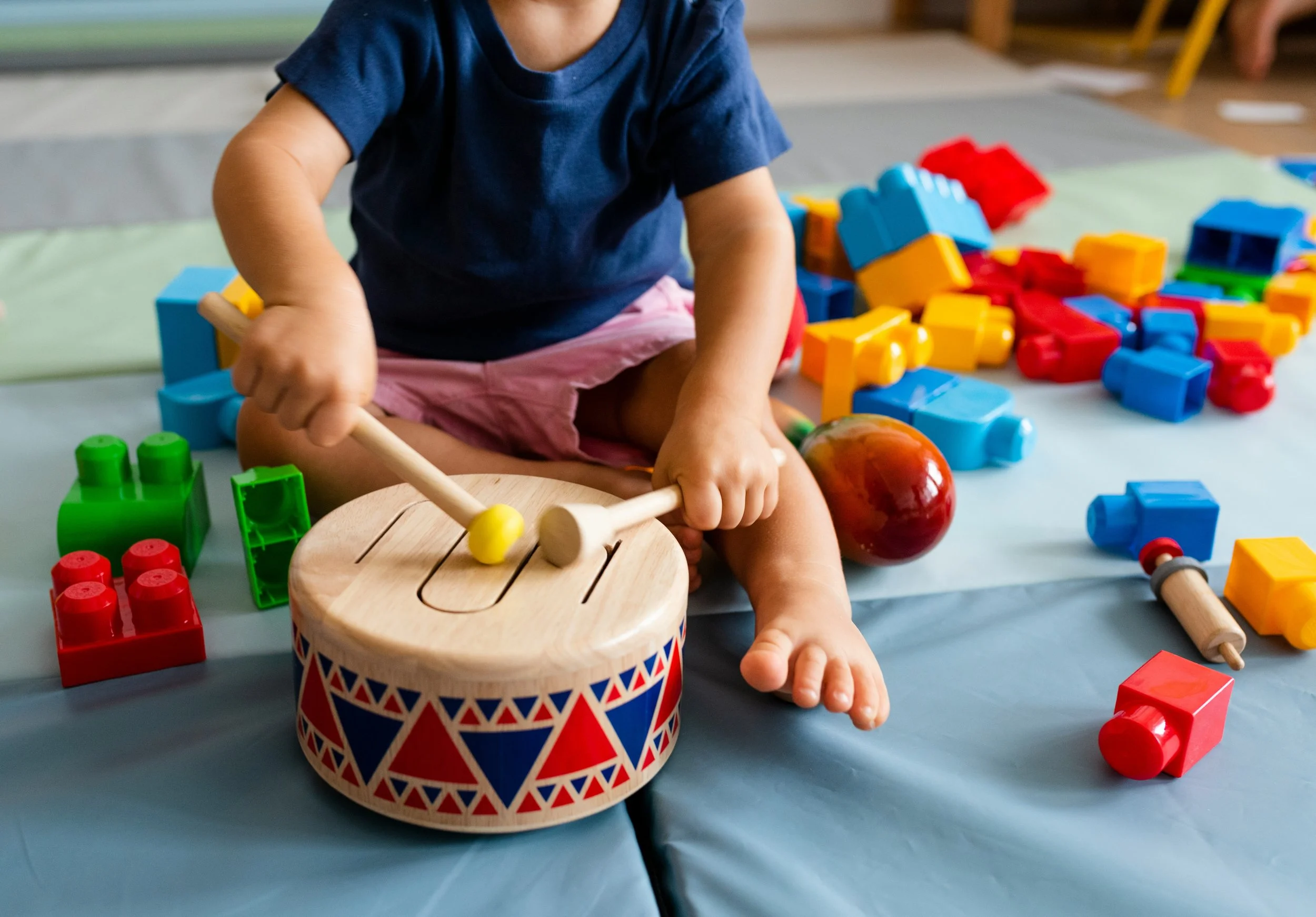
When parents think about attention, they often picture “trying harder” or “sitting still.” But attention isn’t just willpower. It’s built on timing and rhythm — the brain and body’s ability to stay in sync.
When timing is off, children may seem distracted, clumsy, or impulsive. When timing is strong, attention flows more naturally.
What Timing Has to Do With Attention
The brain runs on patterns. Attention improves when children can:
Anticipate what comes next.
Sync their movements with others.
Adjust to pauses or changes in rhythm.
Think of it like a dance: if the rhythm is steady, it’s easier to join in. If the rhythm is off, everything feels harder.
Everyday Examples of Timing in Action
We use timing constantly:
Walking in step with a friend.
Keeping pace in conversation.
Playing catch.
When timing is shaky, kids may lose track, miss cues, or appear “unfocused.”
Why Rhythm Builds Attention
Rhythm is a natural organizer for the brain. It:
Creates predictability → children know what’s coming next.
Supports regulation → steady beats calm the nervous system.
Strengthens anticipation → kids learn to wait, pause, and respond at the right time.
This is why rhythm-based activities often lead to better focus — they help the brain and body work together.
How We Use Timing in Practice
At Activate. Integrate., we weave rhythm into movement and play. Sometimes it’s as simple as clapping patterns or marching. Sometimes it’s more structured, like using Interactive Metronome to train timing at a deeper level.
The important piece is always connection. Rhythm provides the structure, but it’s the interaction that makes it meaningful.
What Parents Can Try at Home
Even simple rhythm games can make a difference. Try:
Clapping back a short pattern.
Marching to music and stopping when the music pauses.
📌 Want more? We shared a full list of fun, practical ideas in our earlier post: Everyday Rhythm Games That Boost Focus and Fun
The Big Picture
Attention isn’t just about sitting still. It’s about the brain and body staying in rhythm. By strengthening timing through movement, rhythm, and play, we give children the foundation they need for focus, self-regulation, and learning.
If you’d like to explore how rhythm and timing activities can support your child’s attention, we’d be happy to talk with you.